Introduction
Many drivers notice that oil changes at dealerships are often more expensive than those offered by quick-service shops or independent mechanics. This price difference can lead customers to wonder whether dealership oil changes are actually worth the extra cost.
Understanding why dealership oil changes cost more can help drivers make informed decisions about their vehicle maintenance.
What Happens During a Dealership Oil Change
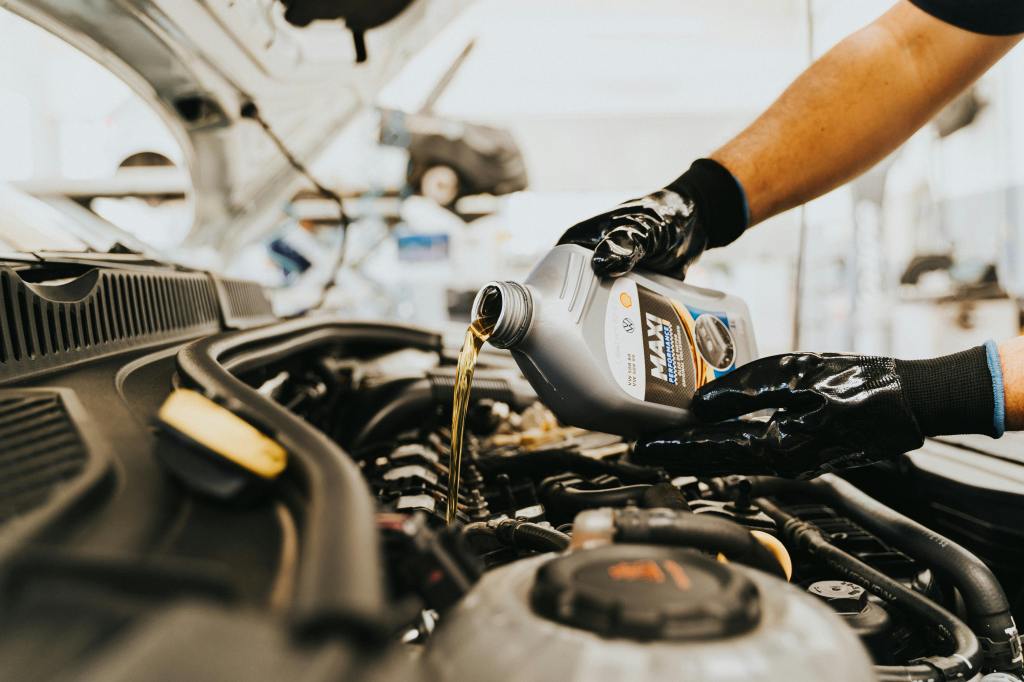
Dealership oil changes often include more than simply replacing the engine oil and filter.
Many dealerships also perform:
- multi-point inspections
- fluid level checks
- tire pressure checks
- visual inspections of belts and hoses
These inspections are intended to identify potential issues early.
Why Dealership Oil Changes Are More Expensive
Several factors contribute to the higher cost of dealership oil changes.
These include:
- higher labor rates
- use of manufacturer-approved oil and filters
- facility and equipment costs
- additional inspection services
Dealership service departments typically operate with higher overhead compared to smaller repair shops.
Typical Oil Change Cost Comparison
A dealership oil change typically costs between $70 and $120, depending on the vehicle and type of oil used.
Independent repair shops may charge $40 to $80, while quick-service oil change locations sometimes offer lower promotional pricing.
The Bottom Line
Dealership oil changes can cost more due to higher labor rates and additional inspections performed during service.
While independent shops may offer lower prices, dealerships may provide advantages such as manufacturer-approved parts and technicians trained specifically for the vehicle brand.
Drivers should choose the option that best fits their budget and maintenance preferences.
About the Author
Dealer Truth articles are written by an automotive industry observer focused on helping drivers understand dealership service recommendations and maintenance practices.
 Dealer Truth
Leave a comment