Introduction
During routine maintenance visits, drivers are often told their vehicle is due for a tire rotation. While this service is commonly recommended by dealerships, many drivers wonder whether it is truly necessary or simply another routine upsell.
Understanding what tire rotation does and how it affects vehicle performance can help drivers make informed maintenance decisions.
What a Tire Rotation Does
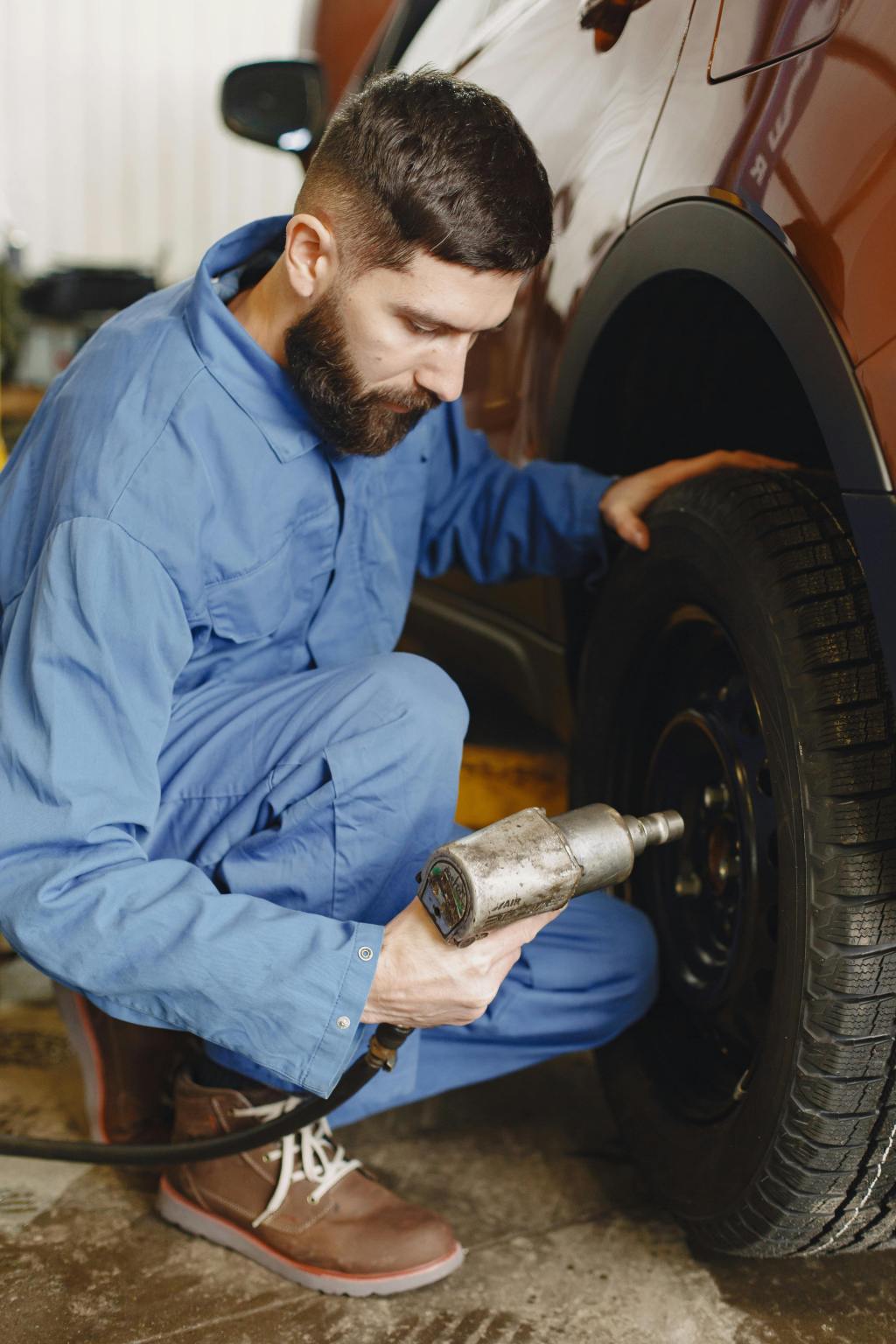
Tire rotation involves moving each tire to a different position on the vehicle. This helps ensure that all four tires wear more evenly over time.
Because front and rear tires experience different levels of stress, rotating them periodically helps extend their overall lifespan.
Even tire wear can also improve:
- vehicle handling
- braking performance
- ride comfort
Why Dealerships Recommend Tire Rotations
Dealerships often recommend tire rotations during oil change appointments or scheduled maintenance visits.
Common reasons include:
- maintaining even tire wear
- extending tire life
- improving safety and traction
- following manufacturer maintenance schedules
Many manufacturers recommend tire rotations every 5,000–7,500 miles, often aligning with oil change intervals.
When Tire Rotation Is Most Important
Tire rotation becomes especially important if drivers notice:
- uneven tread wear
- vibration while driving
- reduced traction in wet conditions
Routine inspections may also reveal other maintenance needs, such as wheel alignments or brake system checks, which are sometimes identified during dealership service visits.
The Bottom Line
Tire rotation is a simple service that can significantly extend the life of your tires and improve vehicle performance.
While dealerships frequently recommend this service, it is also commonly performed at independent repair shops and tire centers.
Regular tire rotations help protect your investment and maintain safe driving conditions.
About the Author
Dealer Truth articles are written by an automotive industry observer focused on helping drivers understand dealership service recommendations and maintenance practices.
 Dealer Truth
Leave a comment