Introduction
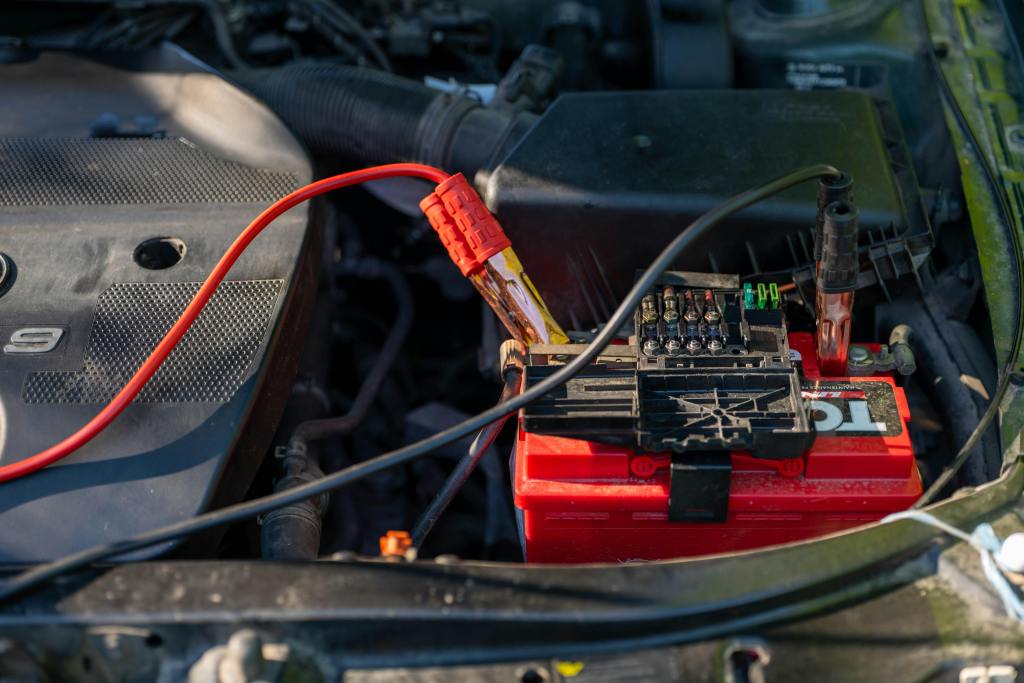
Car batteries eventually lose their ability to hold a charge. During routine inspections, dealerships frequently recommend battery replacement when they detect signs that the battery may be weakening.
Because a failing battery can leave drivers stranded, technicians often monitor battery health during maintenance visits.
What a Car Battery Does
The battery supplies electrical power needed to start the engine and operate vehicle electronics.
It powers systems such as:
• engine starter
• headlights
• dashboard electronics
• onboard computers
Without a functioning battery, the vehicle cannot start.
Why Dealerships Recommend Replacement
Dealership technicians usually test the battery using diagnostic equipment.
If the battery shows reduced capacity, they may recommend replacement to prevent sudden failure.
Most car batteries last between 3–5 years, depending on driving habits and climate conditions.
Signs Your Battery May Be Failing
Drivers may notice warning signs such as:
• slow engine cranking
• dim headlights
• electrical issues
• dashboard battery warning lights
These symptoms may indicate the battery is approaching the end of its lifespan.
The Bottom Line
Battery replacement is a normal part of vehicle ownership. Replacing the battery before it fails can help avoid unexpected breakdowns.
Internal Links
You may also want to read about multi-point vehicle inspections and dealership recommended maintenance, since battery testing is often performed during routine service visits.
About the Author
Dealer Truth articles are written by an automotive industry observer focused on helping drivers understand dealership service recommendations and maintenance practices.
 Dealer Truth
Leave a comment